
Head and neck surgery
Head and neck surgery in Kuwait
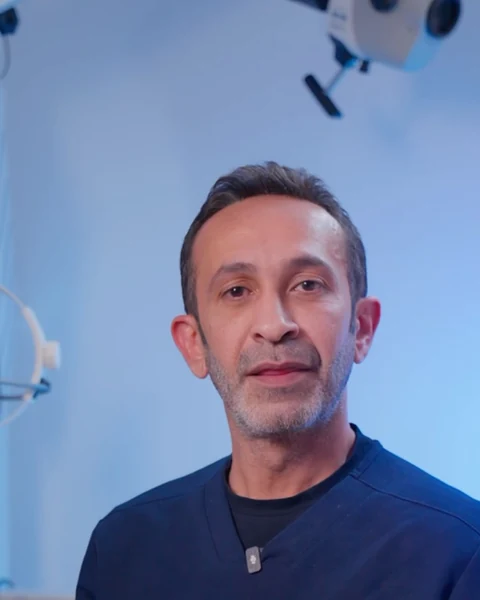
Dr. Mohammad BuAbbas is a Consultant in Otolaryngology, Head and Neck Surgery, and a Fellow of Head and Neck Surgery, University of Toronto. He assesses and treats tumours of the head and neck and conditions of the thyroid and parathyroid glands.
An overview
A new lump, a change in your voice or a diagnosis involving the head, neck or thyroid can be worrying. The aim of the first visit is to understand what is happening, explain it clearly and set out the next steps. Many lumps and nodules in this area turn out to be benign. When a condition is serious, treatment is planned around the individual, often together with other specialists.
This page is general information, not personal medical advice. Results vary from person to person, and the risks that apply to you are discussed at consultation.
Conditions and treatments
Head and neck tumours
Tumours can arise in the mouth, throat, voice box, salivary glands and thyroid, or in the lymph nodes of the neck. Assessment generally includes an examination, often with a small flexible camera, imaging, and a biopsy to confirm the diagnosis.
Where surgery is advised, it aims to remove the tumour while protecting speech, swallowing and appearance as far as possible. Treatment of cancer often involves a team, and surgery may be combined with radiotherapy or chemotherapy. The plan is explained and agreed with you.
Thyroid surgery
Surgery on the thyroid gland may be advised for nodules, an enlarged gland (goitre), an overactive thyroid that medicines have not controlled, or thyroid cancer. Assessment usually includes an examination, blood tests, an ultrasound scan and, where appropriate, a needle biopsy.
The operation removes part or all of the gland. After removal of the whole gland, daily thyroid hormone tablets are needed. Risks include bleeding, voice changes related to the nerves beside the gland, a low calcium level because the parathyroid glands lie close by, scarring and the risks of anaesthesia. These are discussed before surgery.
Parathyroid surgery
The parathyroid glands are small glands beside the thyroid, usually four in number, that help control the level of calcium in the blood. When one becomes overactive, often because of a benign growth, the calcium level rises, which can contribute to kidney stones, thinning of the bones and tiredness.
The diagnosis rests on blood tests and imaging. Surgery removes the affected gland or glands. The expected benefits, the risks and the alternatives are explained at consultation.
Frequently asked questions
A lump in the neck that does not go away, a hoarse voice that persists, difficulty or pain when swallowing, a mouth ulcer that does not heal, or a swelling in the thyroid area. Most such symptoms have benign causes, but they deserve an examination.
Often, yes. An examination alone usually cannot confirm what a lump is. Tests commonly include imaging and a needle or tissue biopsy, and they are explained to you beforehand.
The nerves that control the voice box lie next to the thyroid gland, and care is taken to protect them. Voice changes are a recognised risk, most often temporary and occasionally lasting, and this is discussed before surgery.
Concerned about a lump, a voice change or a thyroid condition?
Request a consultation to have it examined and explained, or message on WhatsApp with a short question.