
Facial plastics and aesthetics
Otoplasty in Kuwait
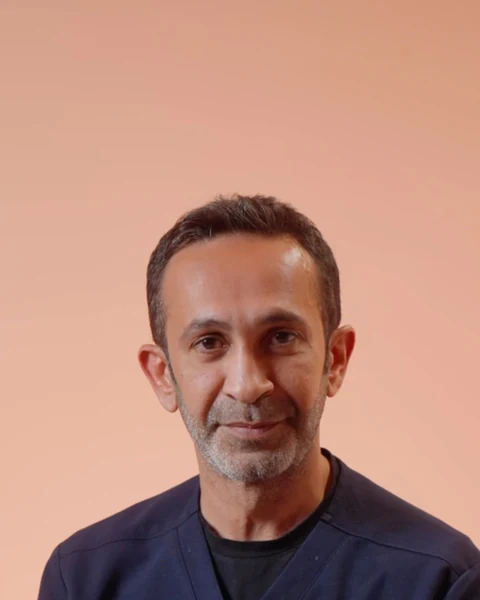
Otoplasty reshapes the ears or sets them closer to the head. Dr. Mohammad BuAbbas, a consultant otolaryngologist and head and neck surgeon, assesses each person individually and explains the options, limits and risks before any decision.
What is otoplasty?
Otoplasty is surgery on the outer ear to change its shape or its position. It is most often done to set back ears that stand out from the side of the head, which is why it is sometimes called ear pinning, and it can also reshape folds of the ear that have not formed fully.
The operation involves the cartilage and skin of the outer ear, not the parts of the ear that hear, so it is not a treatment for hearing. It can be done on one ear or on both, with the aim of balance between the two sides.
This page is general information, not personal medical advice. Results vary from person to person, and the risks that apply to you are discussed at consultation.
What to expect
Who may it suit?
- Adults and children who are bothered by ears that stand out from the head, or by the shape of the ears.
- Children whose ears have nearly finished growing, and who are old enough to say what bothers them and to follow the aftercare.
- People in good general health who have realistic expectations.
- Otoplasty does not suit everyone. Suitability and timing are decided after a review of your history and an examination.
The consultation
The consultation begins with listening to your concern. It usually covers:
- What bothers you about your ears and what you would like to change.
- Your medical history, any previous ear surgery or injury, your medicines and allergies.
- An examination of both ears: their shape, their position and the cartilage.
- Photographs for your medical record, taken with your consent.
- For a child, a parent or guardian takes part, and the child's own wishes are heard.
- What is realistically possible, the options, the risks and the alternatives, including not having surgery.
The day of the procedure
Otoplasty may be performed under local anaesthesia, sometimes with sedation, or under general anaesthesia, which is often used for children. The anaesthetic and the setting are confirmed at consultation. The incision is usually made in the natural crease behind the ear. The cartilage is then reshaped with stitches, and in some cases scored or partly removed, so that the ear sits closer to the head. The time needed depends on what is being done. A padded dressing is placed around the head at the end.
Instructions about fasting, medicines and what to bring are given beforehand.
Recovery
Recovery is gradual. A padded head bandage protects the ears for the first days, and a soft headband is then often worn for some weeks, especially at night, so that the ears are not bent forward during sleep. Swelling, bruising and tenderness of the ears are common early on, and the ears may feel sore or numb for a time. Follow-up visits are arranged to check healing, and you are told when it is safe to wash your hair, return to school or work and take part in sport.
Much of the swelling settles over the first weeks, and the ears continue to settle for some months. Results vary from person to person.
Risks and safety
All surgery carries risk. Those linked to otoplasty include bleeding or a collection of blood under the skin, infection, reactions to anaesthesia, changes in sensation of the ear, scarring, including thickened scars in some people, a difference between the two ears, stitches that can be felt or work their way through the skin, and the ears moving forward again over time, which in some people leads to further surgery.
Dr. BuAbbas discusses the risks that apply to you at consultation, before you decide.
Frequently asked questions
It is usually done once the ears have nearly finished growing, so it can be considered in childhood as well as in adulthood. For a child, the timing also depends on the child's own wishes and on being able to follow the aftercare. This is decided individually at consultation.
Otoplasty works on the cartilage and skin of the outer ear, not on the parts of the ear that hear, so it is not intended to change hearing. If you have a concern about your hearing, it is assessed separately.
Every incision leaves a scar. In otoplasty the incision is usually placed in the crease behind the ear, where the scar is generally less noticeable, but how scars heal varies from person to person.
Some soreness, throbbing and tenderness of the ears are expected in the first days after surgery. Pain relief is prescribed, and the plan for it is explained before the operation. How much discomfort a person feels varies.
Yes. Sometimes one ear stands out more than the other, and surgery may be planned on one side. The aim is balance between the two ears, so both are examined at consultation.
In some people the ears move forward again over time, partly or fully. If this happens, further surgery may be discussed. The chance of this is explained at consultation.


Considering otoplasty?
Request a consultation to discuss your concerns and the options, or message on WhatsApp with a short question.